Maasai Mara park fees jumped hard in 2026. A non-resident adult now pays double at the gate in the second half of the year. That is twice the first-half rate. If you are planning a trip and building a budget, that split matters more than almost any other line item. Touring Insights breaks down what actually changed, what stayed the same, and how to plan your dates. That way the fee works for you instead of against you.
What Changed in Masai Mara Park Fees for 2026
The Maasai Mara National Reserve raised its non-resident adult gate fee, effective July 1, 2026. That rate went from USD 100 per day to USD 200 per day. The new pricing runs on a two-tier calendar. January through June stays at the old USD 100 rate. July through December jumps to USD 200. That is a straight doubling for anyone visiting during the second half of the year.
The Maasai Mara Reserve is set by the Narok County Government, not the Kenya Wildlife Service. That is a separate authority from the KWS-run national parks. A broader fee overhaul there was contested in court and partly put on hold in late 2025. The Mara increase is a county decision and it took effect on schedule. Do not assume a KWS ruling changes what you pay at Sekenani or Talek Gate.
Masai Mara National Reserve Fees at a Glance
The table below covers the core non-resident rates for 2026. Prices are per person, per day, and apply at the main reserve gates, including Sekenani, Talek, Oloolaimutia, and Sand River.
| Fee category | Jan-Jun 2026 | Jul-Dec 2026 |
|---|---|---|
| Non-resident adult (per day) | $100 | $200 |
| Non-resident child, age 9-17 | $50 | $50 |
| Child under 8 | Free | Free |
| Mara Triangle (Oloololo / Purungat gates) | Same as reserve | Same as reserve |
| Nashulai Community Conservancy (indicative) | $60-80 | $60-80 |
Child pricing for 9-17 year-olds stays flat across both halves of the year. Families visiting in the July-December window save proportionally less, since the adult rate doubles but the child rate does not.
The Mara Triangle: Same Fee, Different Manager
Mara Triangle sits in the reserve’s northwest corner. The Mara Conservancy runs it on behalf of Trans Mara County, separately from the main reserve administration. Visitors enter through Oloololo Gate or Purungat Gate rather than Sekenani or Talek. The fee matches the main reserve rate exactly, so there is no pricing shortcut by choosing this side. Vehicle density is lower instead, since fewer camps sit inside the Triangle than along the eastern and central reserve.
Getting to the Gate: Distance, Time, and What That Adds to Your Budget
Fee planning only works if you also account for getting there. Nairobi to Sekenani Gate is the main southeastern entry point. The drive runs about 270 km and takes roughly 5 to 6 hours by car on the Narok route. Traffic through Narok town affects the actual time. A scheduled bush flight from Wilson Airport takes about 45 minutes to an hour instead. It lands at an airstrip near your camp, such as Musiara or Keekorok.
That time difference has a real budget effect. A road transfer costs less upfront, but it eats most of a travel day. Some travelers count that as a lost game-drive day against the park fee they are already paying. A flight costs more, but it leaves a full afternoon for your first game drive. That can matter during the July-December window, when every day at the higher USD 200 rate should count.
Why the 12-Hour Ticket Rule Matters for Your Budget
A Masai Mara entry ticket is valid for roughly 12 hours, from about 6am to 6pm. That is not a full 24 hours. Leave the reserve after your ticket window closes, and you pay again if you come back the next morning. This catches travelers who plan a lodge stay just outside a gate and expect to dip in and out freely.
Ask your camp or guide to confirm the exact re-entry policy at your gate before you plan a split day. Build your game drives around a single continuous entry instead of an early loop plus a separate afternoon return. That keeps you from paying for two tickets in one calendar day.
Community Conservancies: A Lower-Cost Alternative
Community conservancies bordering the reserve, such as Nashulai, run cheaper than the government reserve. Rates sit in the rough USD 60-80 per day range. Conservancy fees fund community projects and conservation directly. Many camps fold the daily conservancy fee into the nightly room rate, instead of charging it separately at a gate. That makes a conservancy stay easier to budget in advance. You are not tracking a separate cash or card payment on arrival.
Wildlife density is the tradeoff here. The reserve concentrates the largest resident herds and the most reliable predator sightings. That is especially true around the Mara River crossings during migration months. Conservancies offer a quieter, less crowded experience instead. Activities like night drives and walking safaris are available there, which the reserve does not permit.
Timing Your Trip Around the Jan-Jun vs Jul-Dec Split
The clearest budget lever here is timing. A trip in the January-June window locks in the lower USD 100 daily rate. That period still covers the calving season on the southern plains, plus generally strong resident wildlife viewing. You give up the wildebeest river crossings, which mostly happen from July through October. In exchange, you keep more of your trip budget for accommodation, flights, or extra safari days.
Travelers set on witnessing a river crossing will pay the higher July-December rate no matter how they plan. That is exactly when the migration herds move through the reserve. In that case, the fee increase is a fixed cost of the experience, rather than something to plan around.
Building Park Fees Into Your Total Safari Budget
Park fees add up fast over a multi-day stay. Take a couple visiting for four days in August 2026, both non-resident adults. At 2 x $200 x 4 days, that is $1,600 in reserve fees alone, before accommodation, flights, or a guide. The same four-day trip in April 2026 costs 2 x $100 x 4 days, or $800, half as much.
Add one child aged 9-17 to that trip, and the daily total rises to $450 ($200 + $200 + $50). Across four days that comes to $1,800. Most camps quote all-inclusive nightly rates that already bundle the reserve fee in. Always ask whether a quoted price includes park fees or adds them on top. That single question prevents a surprise at checkout.
Explorer Notes
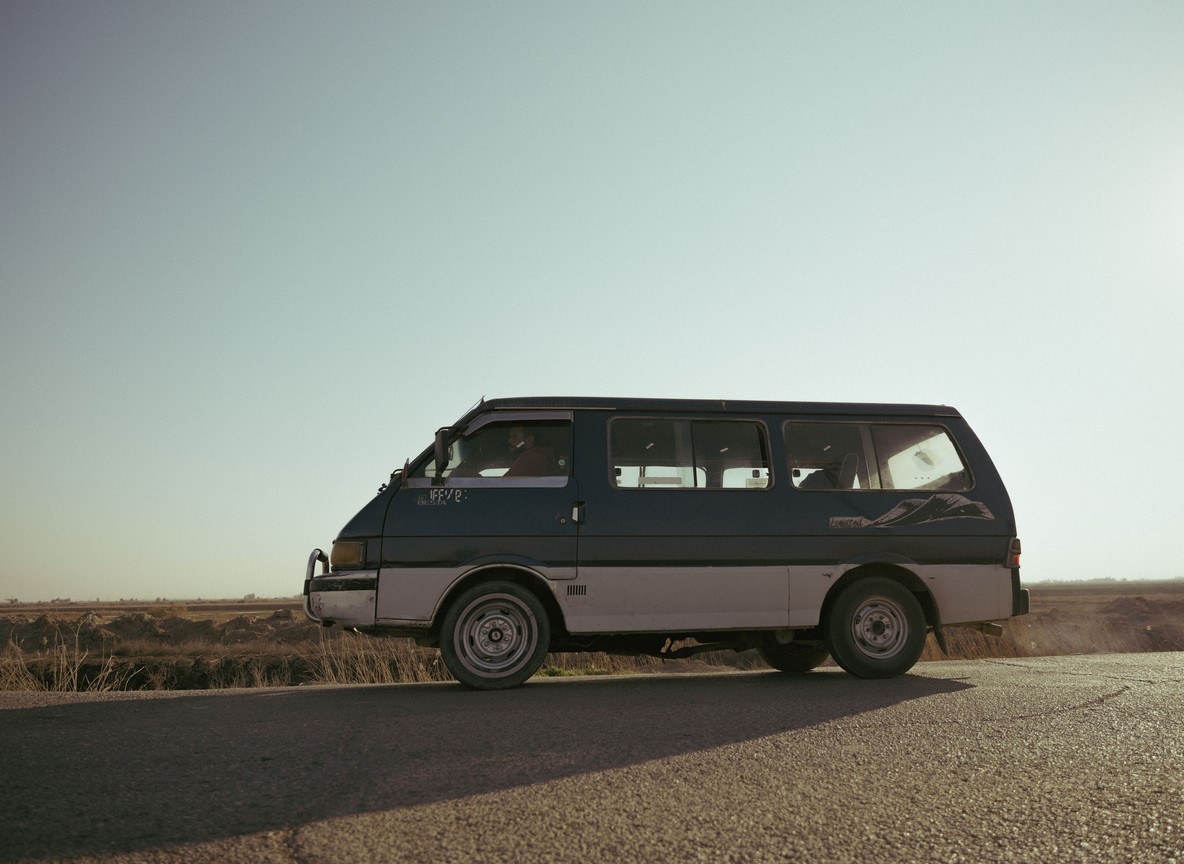
Confirm your gate’s current payment method with your camp or operator before you travel. Kenyan parks and reserves have been shifting away from cash payment at the gate in recent years. Carrying a card as backup is safer than assuming cash works everywhere.
Ask which gate your camp uses as its default entry point. A camp near Talek Gate on the eastern side has a different drive pattern than one near Oloololo Gate. Oloololo sits in the Mara Triangle. That difference affects how much game-drive time you lose to transit on your first and last days.
Finally, request written confirmation of your fee rate at booking, not just a verbal quote. Rates set by county government can shift with little public notice. A written quote gives you something to point to if a camp tries to pass along a mid-trip increase.
What to Read Next
- Want the full reserve-vs-conservancy fee comparison? Read our Masai Mara conservancy vs reserve fees guide.
- Curious who actually pays what at the gate? See Masai Mara reserve entry fees: what you and your guide pay.
- Still choosing your travel dates? Check our best time to visit Masai Mara month-by-month guide.
FAQ
How much does it cost to enter the Masai Mara in 2026? Non-resident adults pay USD 100 per day from January through June 2026. The rate rises to USD 200 per day from July through December 2026. Children aged 9-17 pay USD 50 year-round, and children under 8 enter free.
Why did Masai Mara park fees double in July 2026? The Narok County Government sets fees for the Maasai Mara National Reserve. It introduced a two-tier calendar with a higher rate for the July-December period. This is separate from the KWS national park fee changes reported elsewhere in Kenya.
Is the Mara Triangle cheaper than the main reserve? No. The Mara Triangle is entered via Oloololo or Purungat Gate and managed by the Mara Conservancy. It charges the same fee as the main reserve.
How long is a Masai Mara entry ticket valid? A standard ticket covers roughly 12 hours, from about 6am to 6pm. Re-entering after that window means paying again.
Can I save money by visiting a conservancy instead of the reserve? Community conservancies like Nashulai charge indicative rates around USD 60-80 per day, lower than the reserve. Many camps bundle that fee into the nightly rate rather than billing it separately.
Fee schedules like this one change with little warning, so build in a buffer when you budget. Visit our Tour Packages page to compare Masai Mara itineraries with park fees already factored into the price.